Most churn prediction tools watch product usage. The decision to leave happens somewhere else, and it happens 45 days before the data moves.
Read post →

Not every manual step in customer success is waste, and not every automation is a win. Here's the test that separates the two.
A 100% complete checklist tells you setup finished. It doesn't tell you whether the account will still be here in two quarters.
"The team likes it" is not an ROI number. Here is what CFOs actually want to see before they renew the budget line.
A usage curve is a fact. A stakeholder map is a guess that goes stale the moment someone changes jobs.
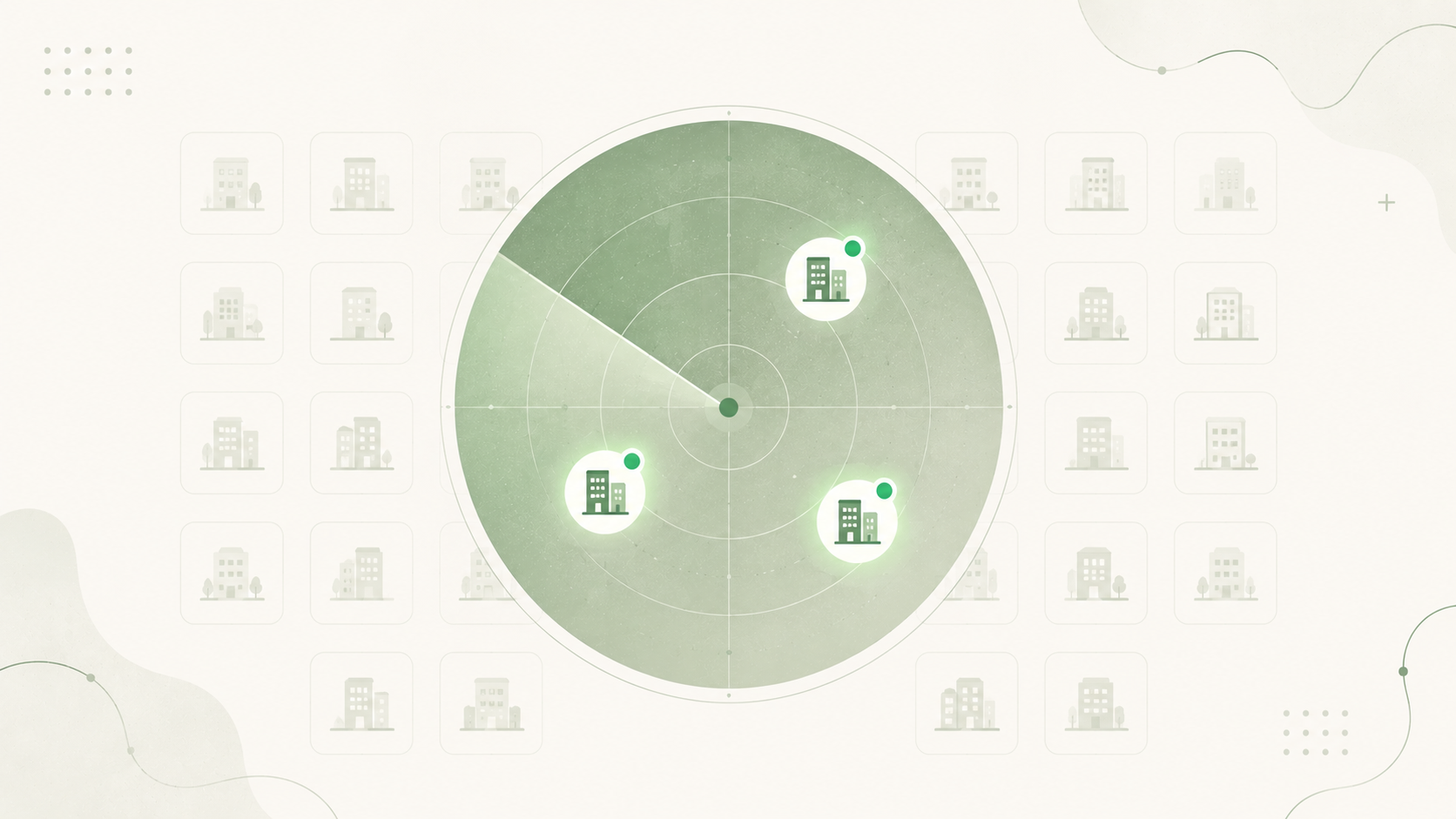
Not a dashboard. Not a health score. A system that tells a CSM which three accounts need attention this week, and why.

No ops hire. No data team. Fifty accounts each. Here is exactly what a small team automates first.

The customer said it in minute eleven of a routine check-in call. Nobody flagged it, because nobody was listening for it.

Same red, yellow, and green interface. Completely different math underneath.

The category used to mean a dashboard bolted onto a CRM. In 2026, half the platforms selling that same dashboard call it AI.
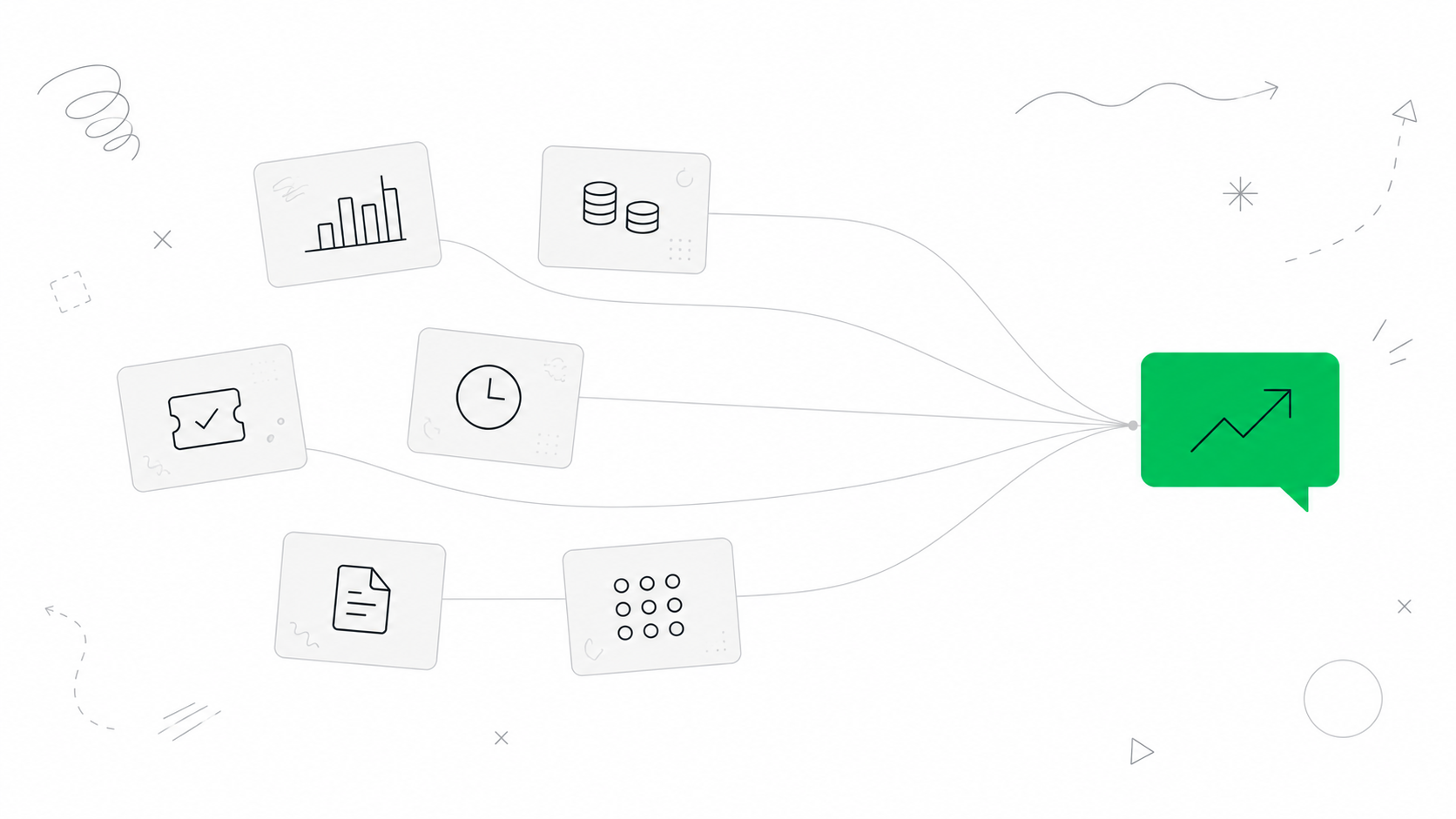
The signal sat in the account for six months. Nobody flagged it until the renewal call was already on the calendar.
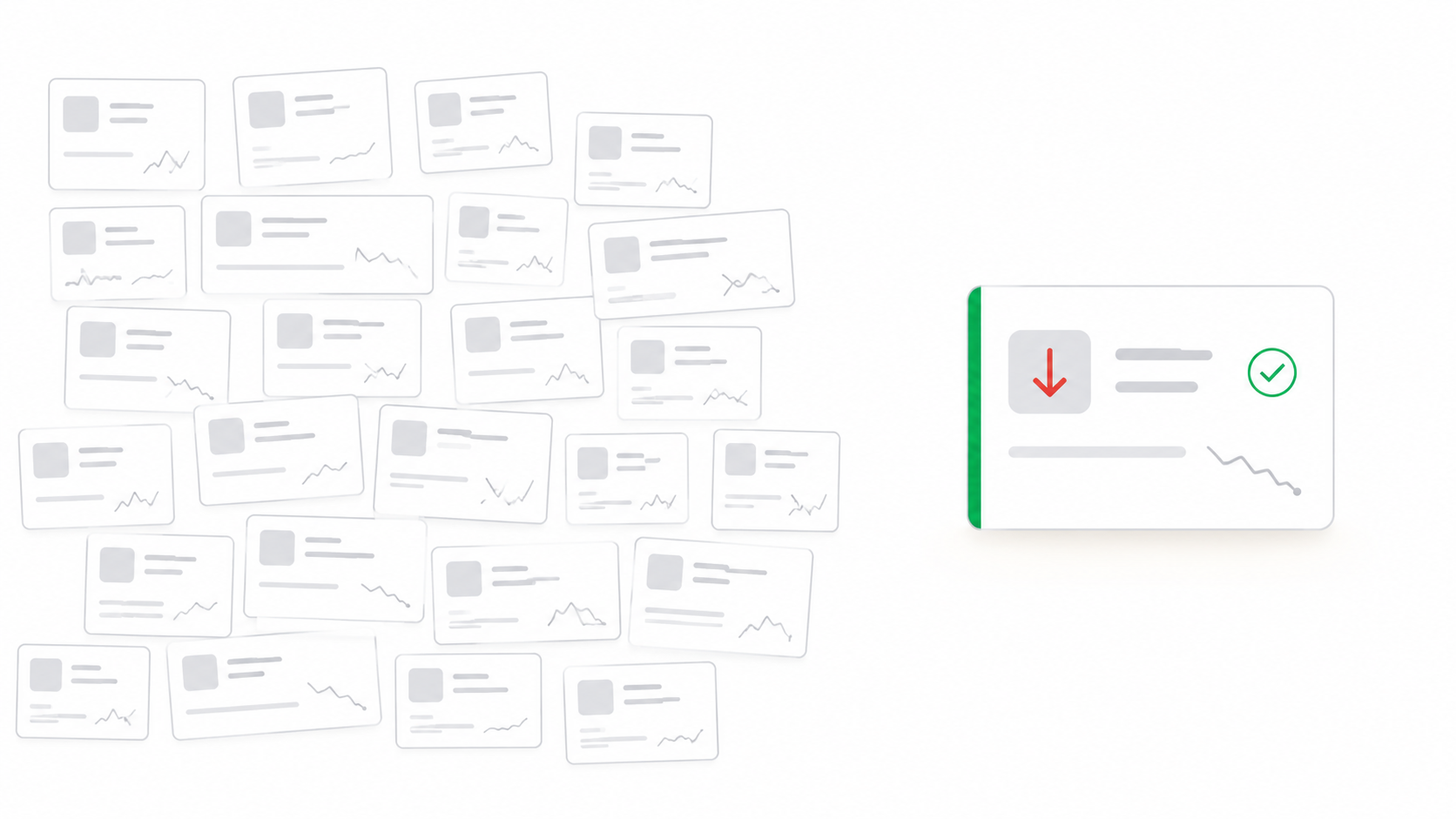
The signals were there. The system to surface them was not.
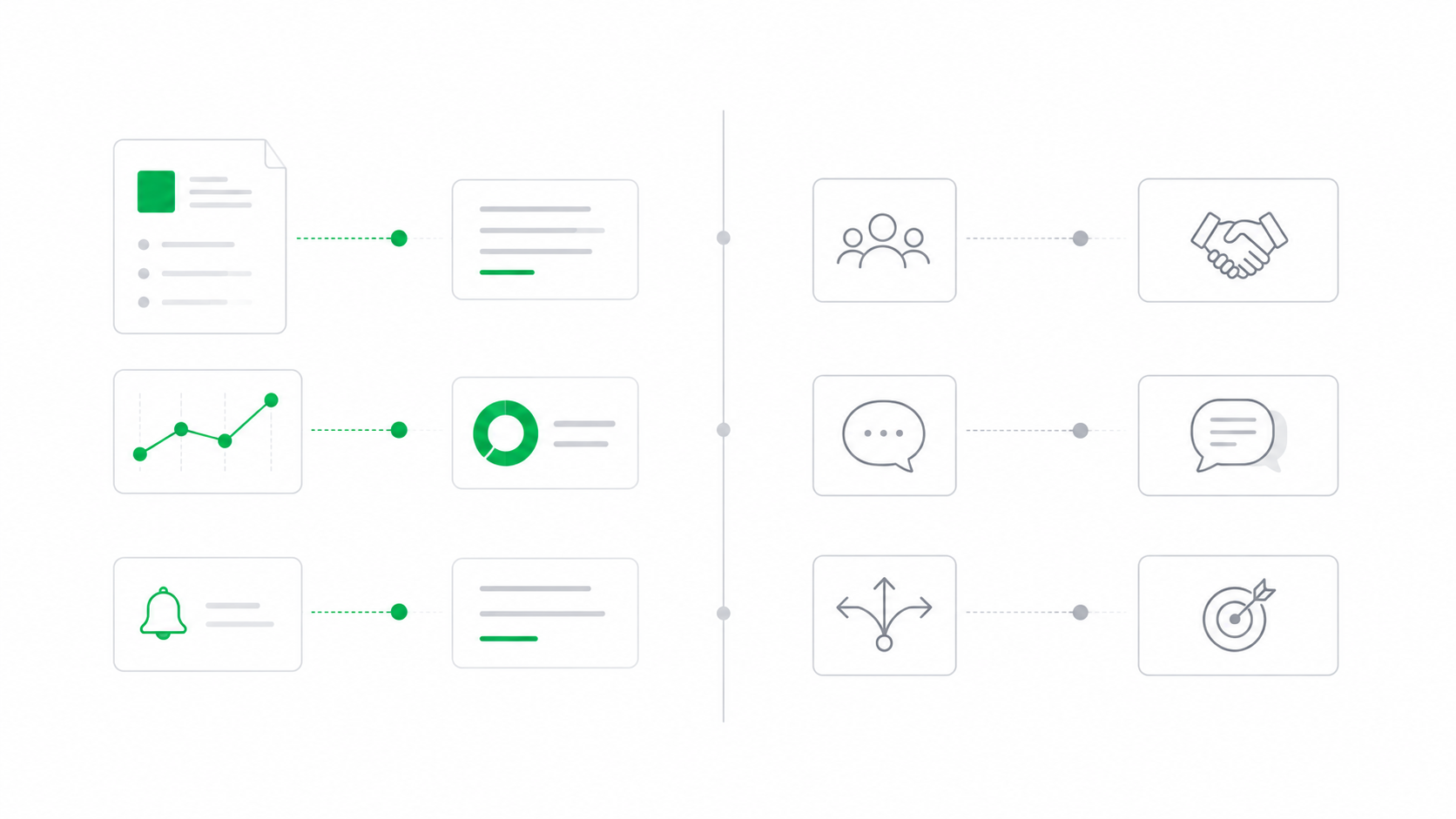
An honest breakdown of where AI genuinely changes CS work in 2026.
The deck that wins over your champion is not the deck that survives a CFO's budget review.

A calendar decline feels like scheduling friction. It's usually the earliest warning an account gives before it churns.
Everyone nodded and the meeting ended on a good note. Six weeks later the renewal still hadn't moved.
A finished deck is not the same as being ready for the meeting. Five things worth checking before every QBR.
A generated deck can pull the numbers in minutes. It cannot decide what the account needs to hear this quarter.
The deck your CSM built for the day-to-day contact is not the deck the VP wants to see.
Most of what fills those 11 hours was never the CSM's job to begin with.
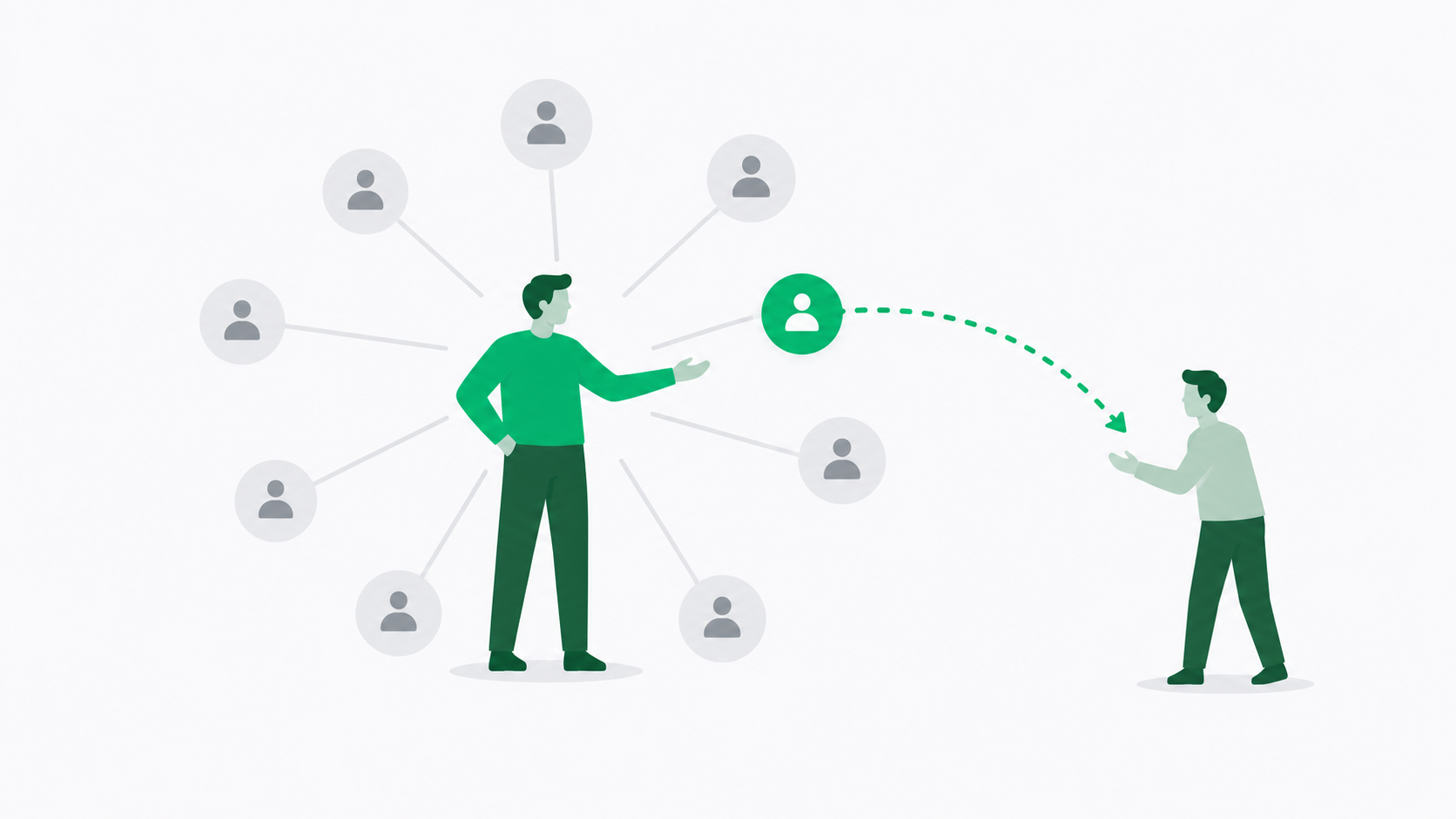
Every early customer trusted the founder's direct line more than any process, until there were too many accounts to personally hold.
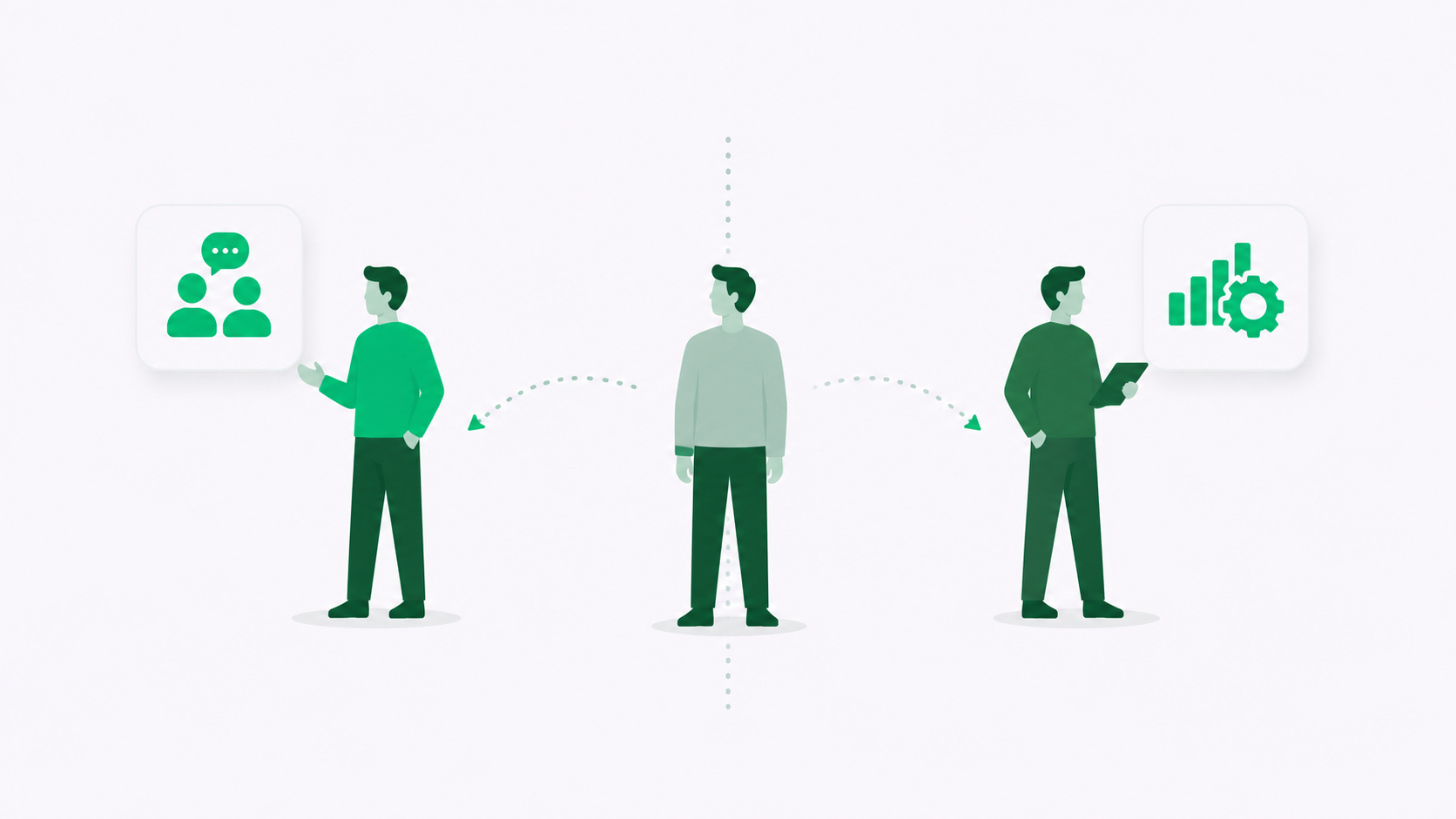
One person was doing the relationship work and the reporting work, until the manager finally lined up both halves of the job side by side.

The CSM with the most logged calls looked like the strongest performer, until someone checked her actual churn rate.

A 40-page doc and a week of passive shadowing does not produce a CSM who can run a call solo.
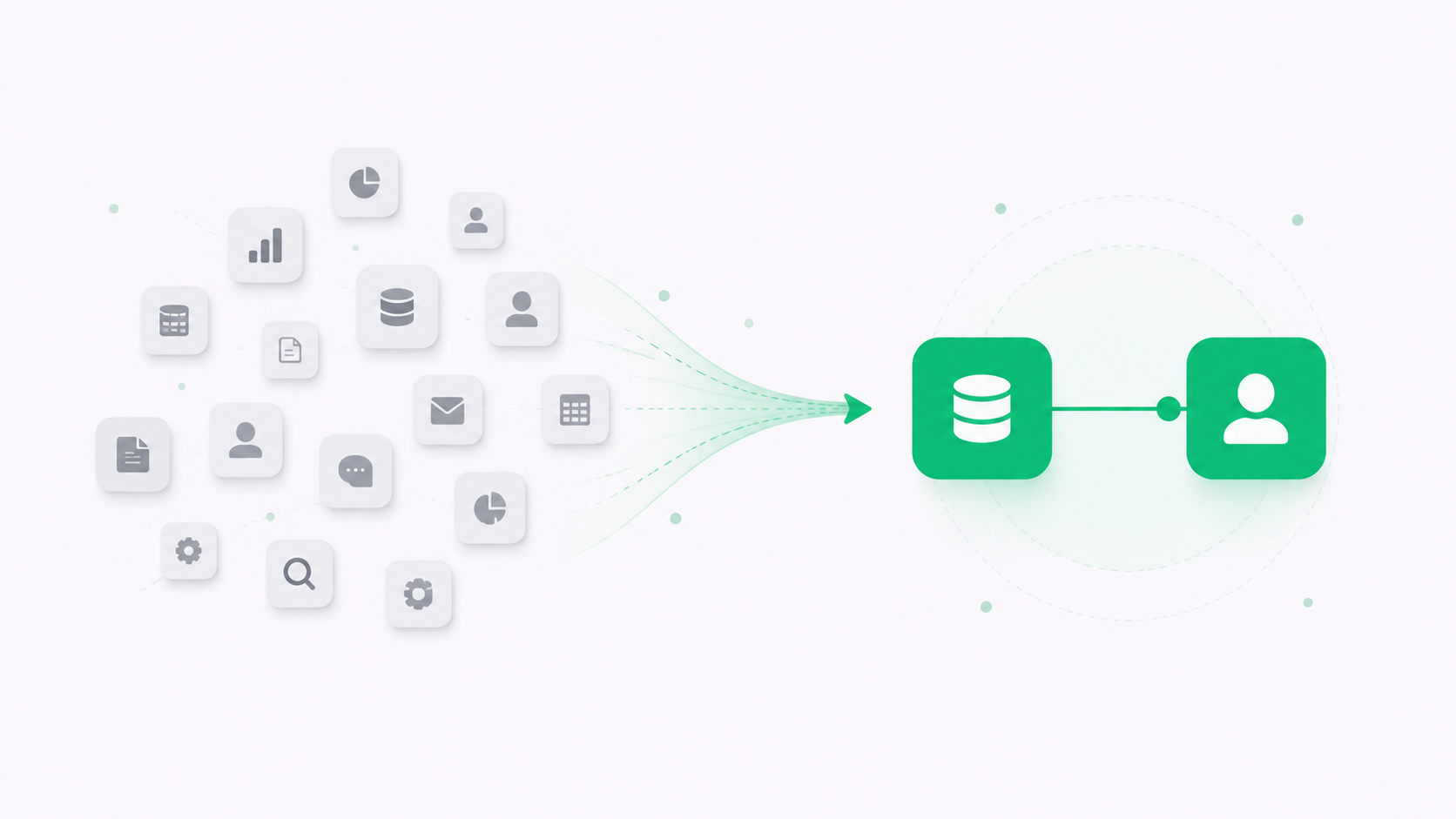
Six tools, none of which talk to each other, and a spreadsheet everyone secretly still uses instead.

A bad hire's real cost isn't the salary you paid them. It's the accounts that quietly soured for nine months.
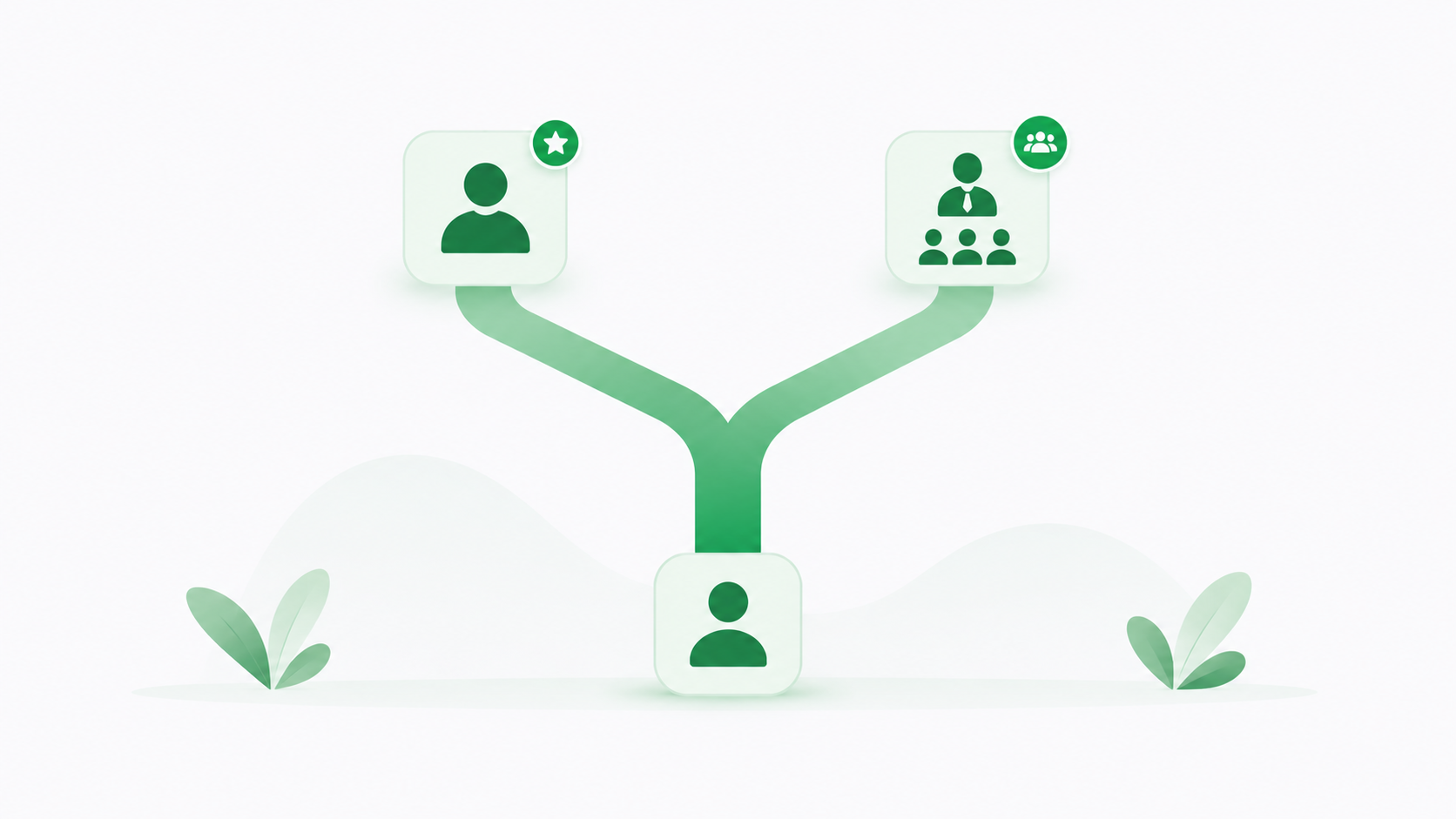
Your best CSM is quietly interviewing elsewhere because the only path up was becoming a manager, and she never wanted that.
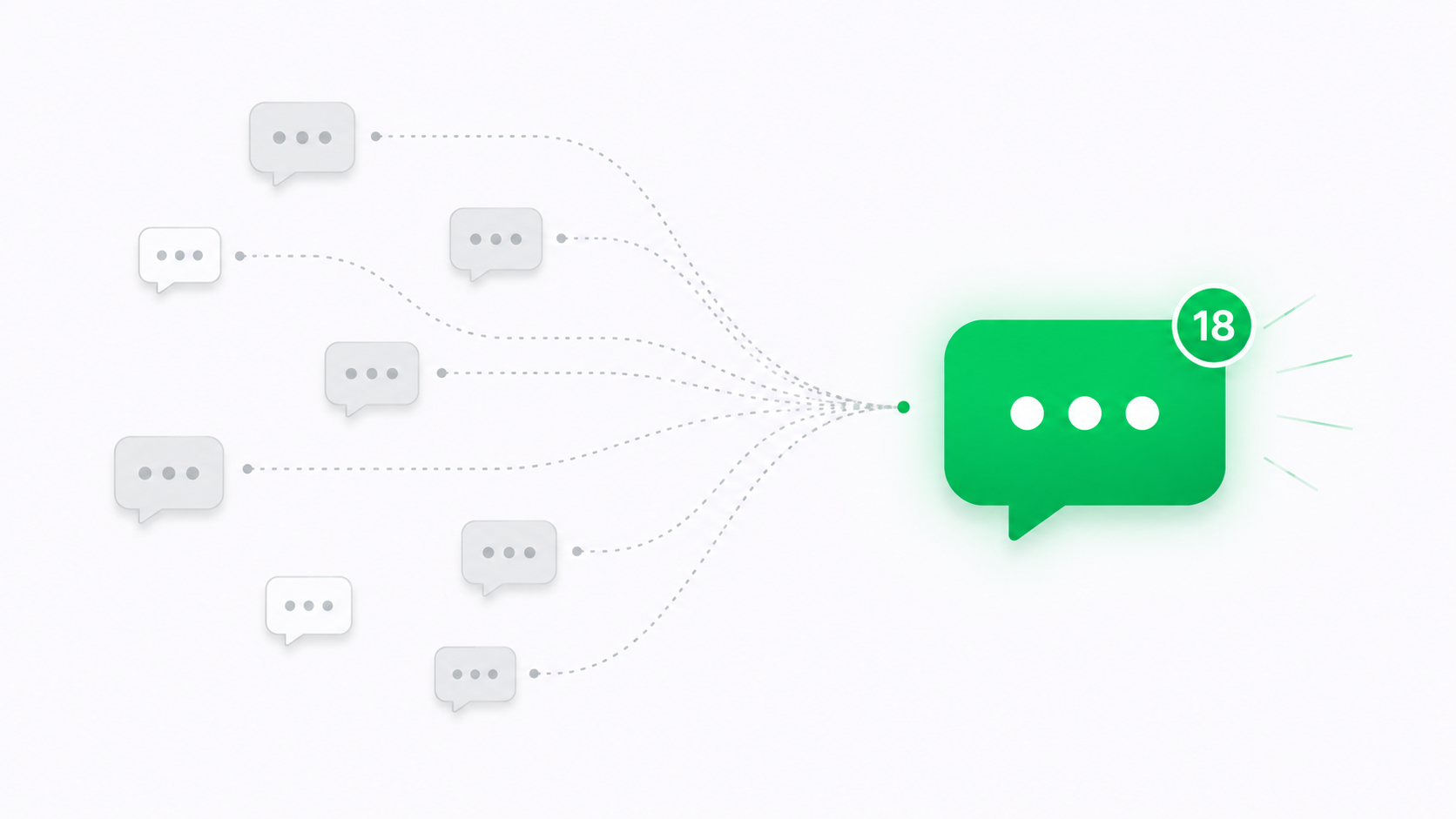
CS hears the same complaint from eleven accounts and product never finds out, because it arrived as eleven separate messages.

A deal closes and a kickoff call gets booked. Here's what actually needs to transfer before the CSM ever gets on that call.
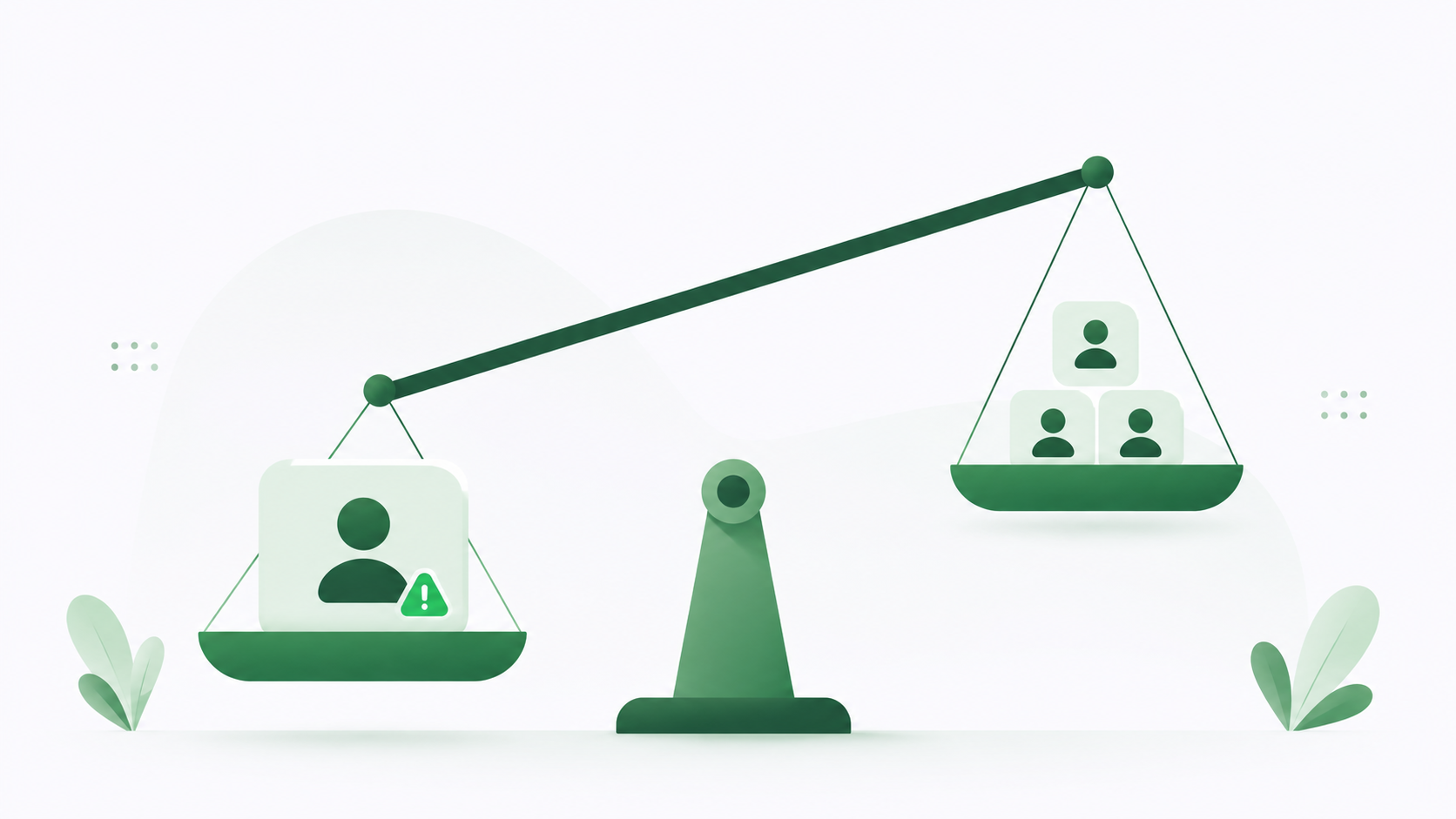
Renewal rate sounds like the obvious metric. It also quietly rewards CSMs for avoiding the hardest saves.
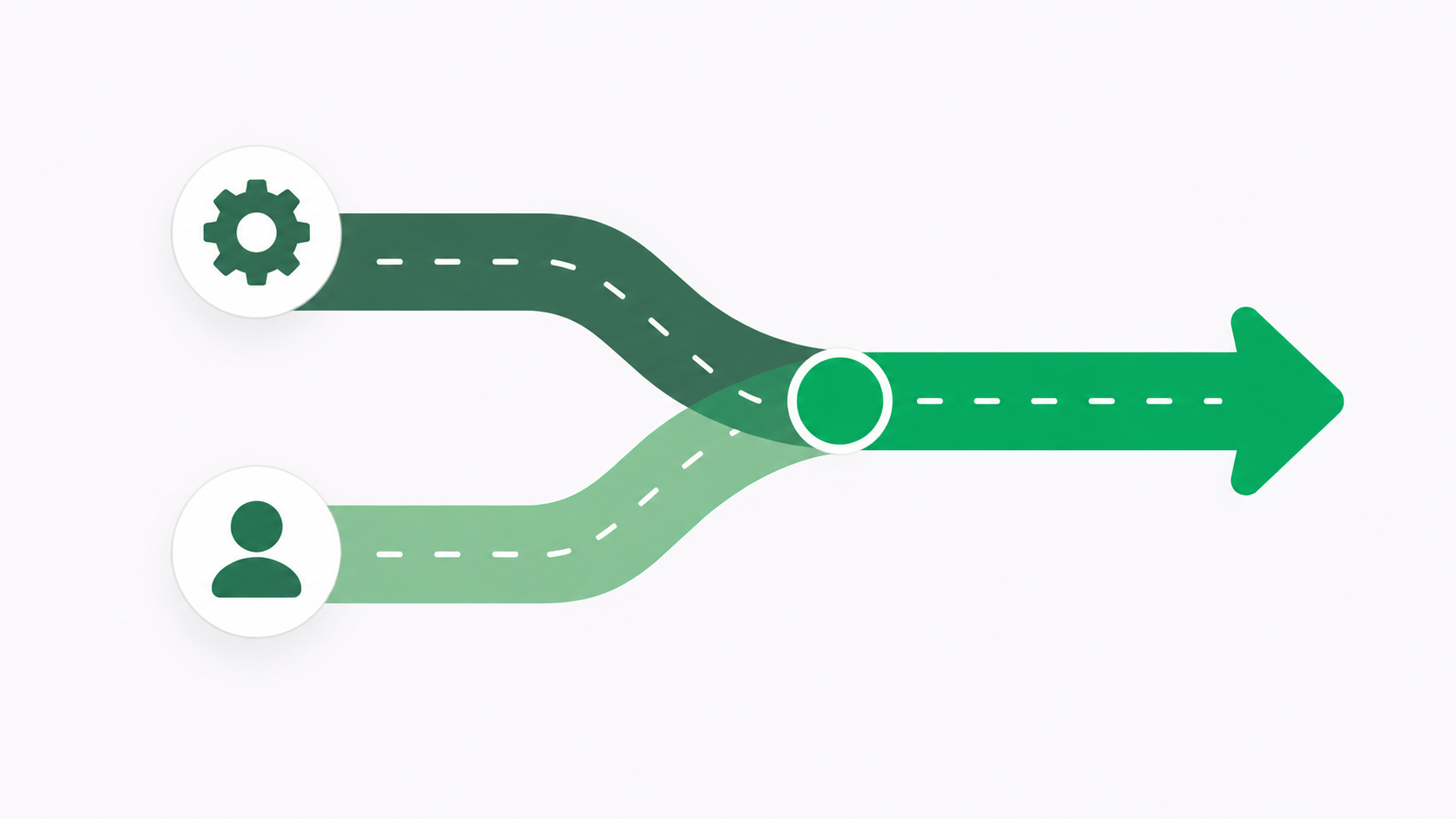
Automate vs hire isn't an either-or choice, it's a sequencing question. Get the order wrong and the bottleneck doesn't move.

"We're too busy" is not the signal. By the time everyone agrees, accounts have usually already started slipping quietly.

"50 accounts per CSM" is not a ratio, it's a number someone else's team arrived at for someone else's book.

The CSM's first instinct was to fight the downgrade like it was a churn. It wasn't. The account just needed a smaller tier.

The account review listed a VP as sponsor for eighteen months. The sponsor and the customer's VP had never once spoken.
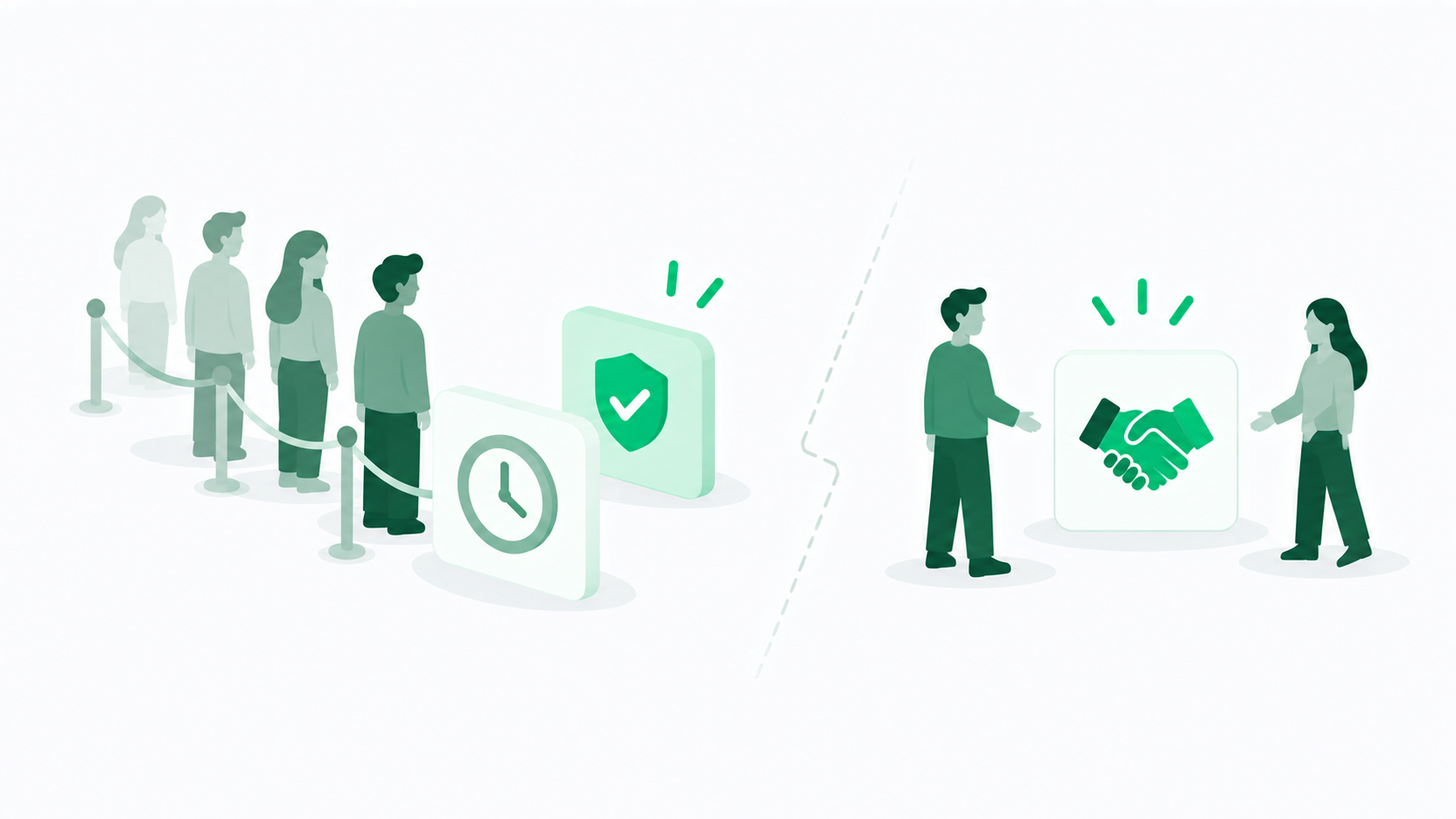
The champion loved the product and said the renewal was a formality. It sat in legal's security queue for six weeks anyway.
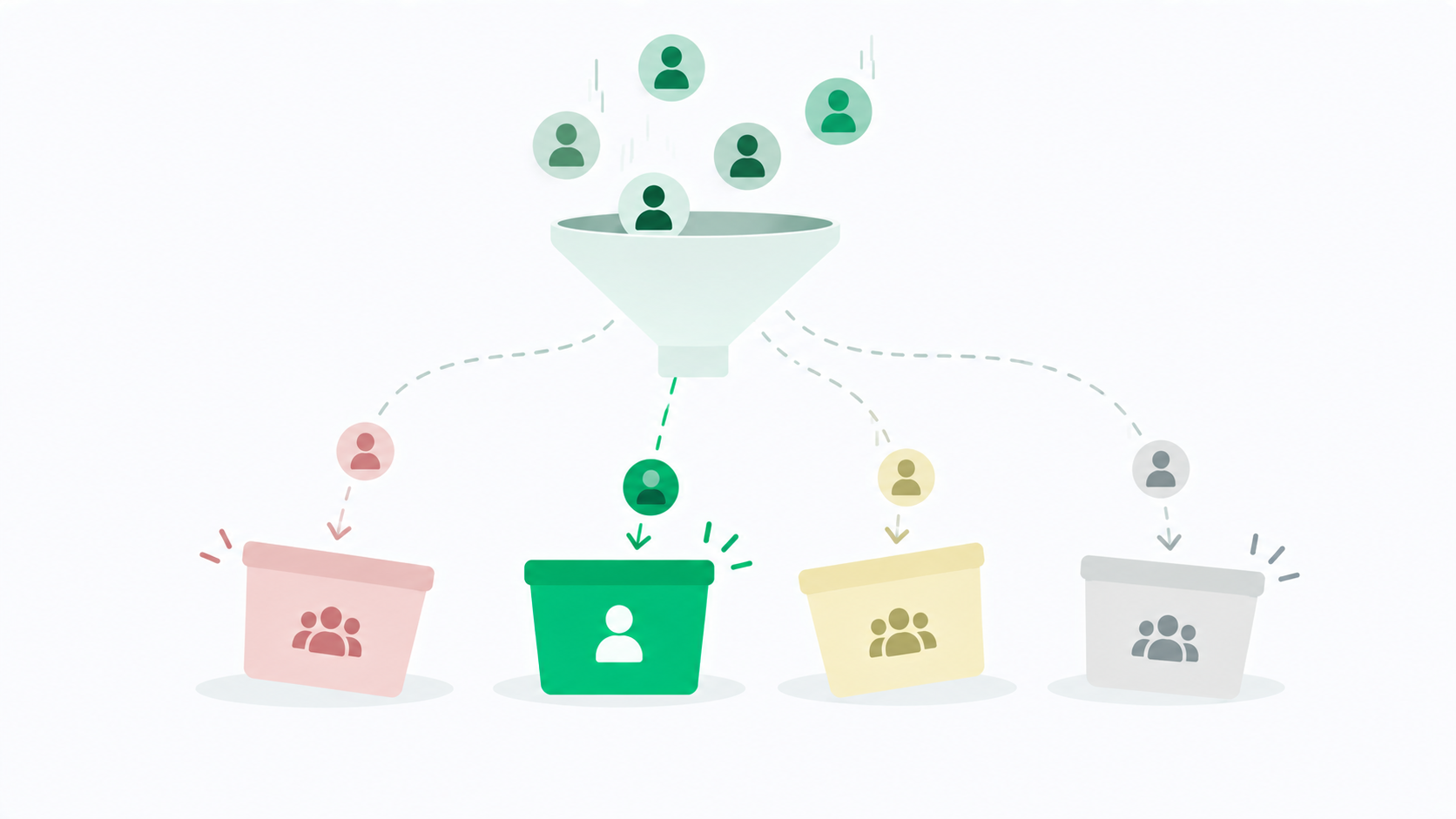
Three accounts marked "commit" churned in the same quarter. The spreadsheet's math was fine. The categories going into it were the problem.
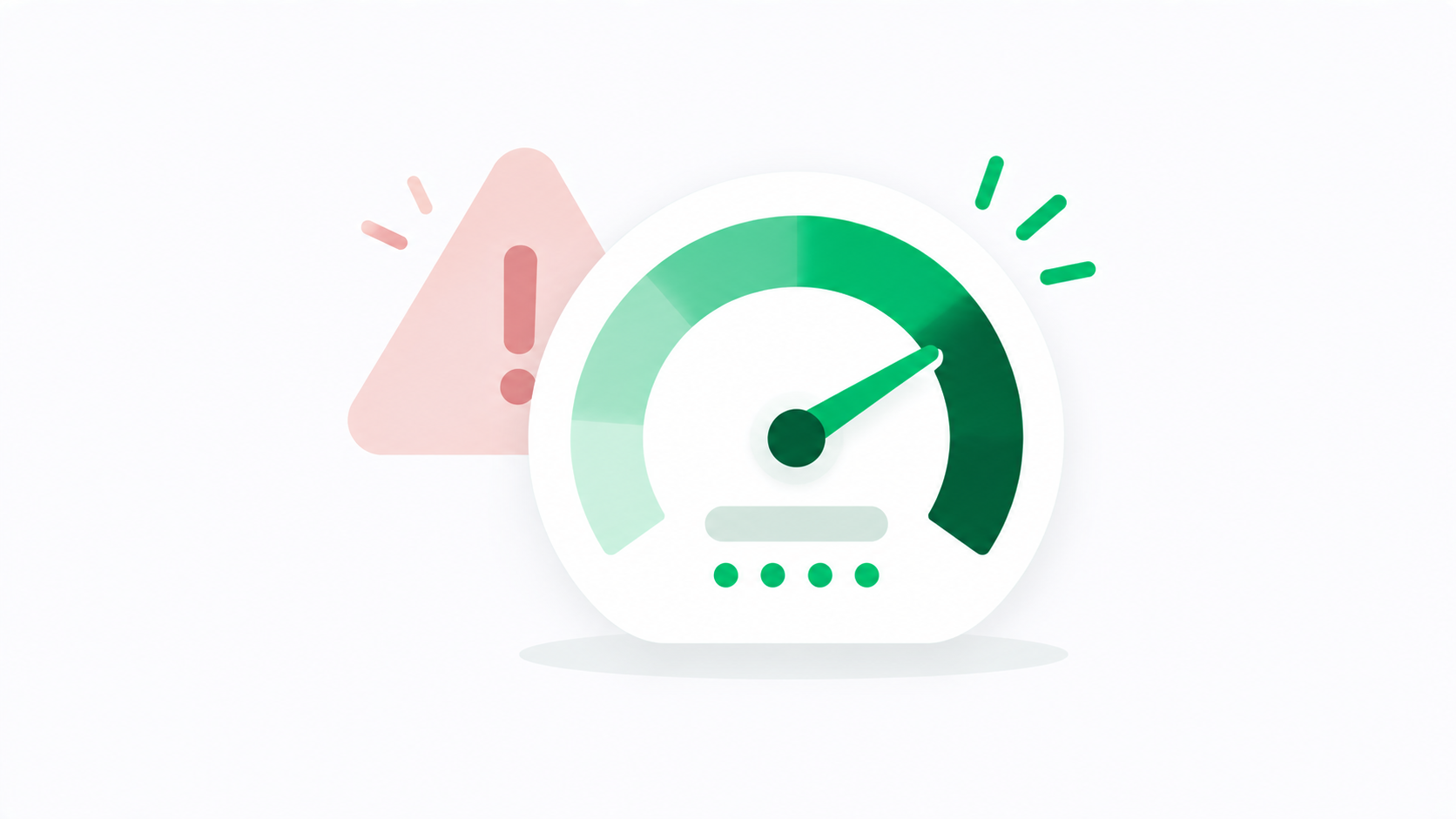
The quarterly score sat at 8.6 for a year. Then six accounts churned in one quarter, and every one had answered "9" three months before canceling.

The automated cadence that worked on five hundred self-serve accounts got applied to the first enterprise logo. The relationship was cold within a quarter.
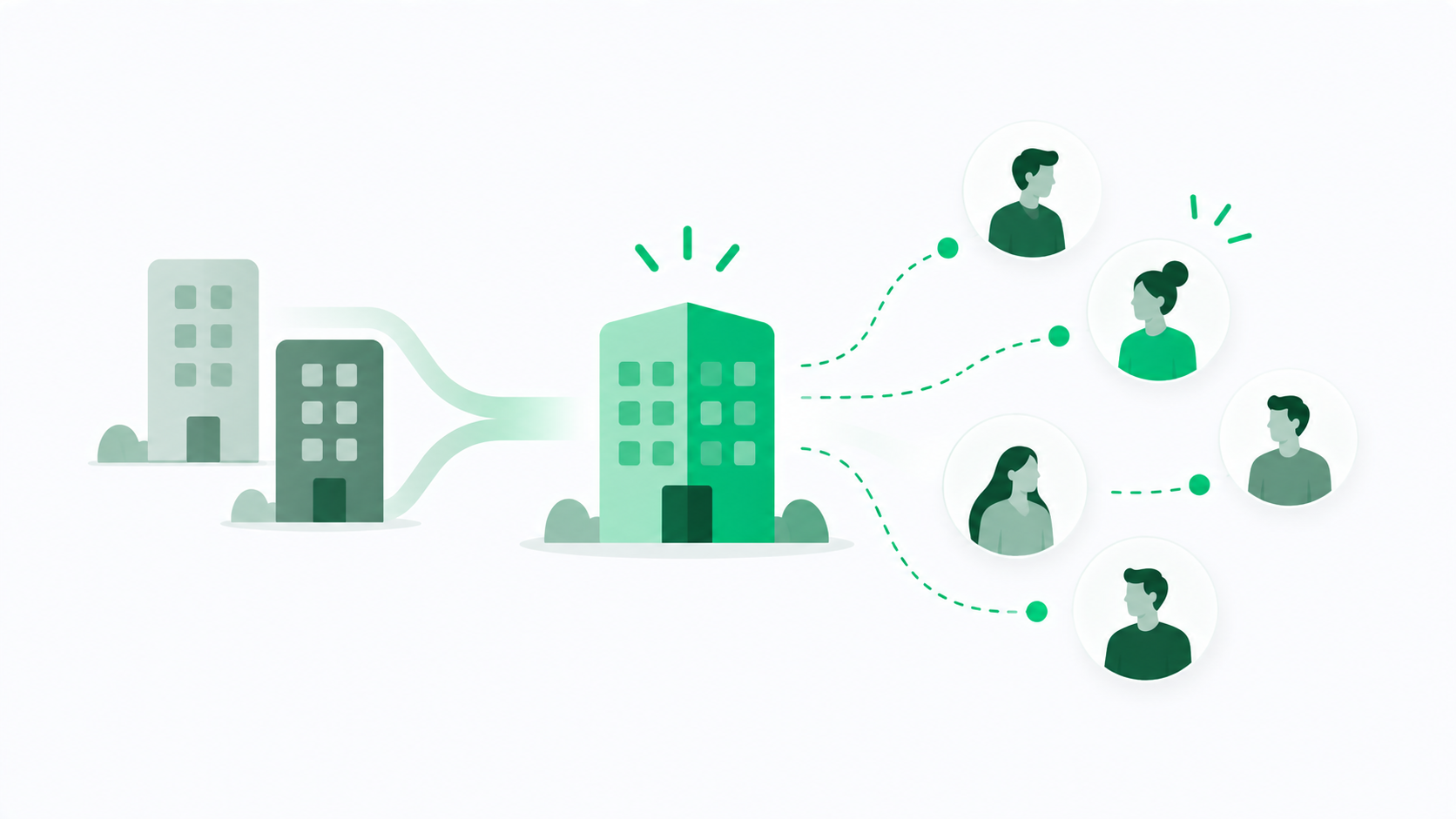
The acquisition news broke on a Tuesday. By Thursday, four of Acme Corp's largest accounts had asked their CSM if anything was about to change.

Eight months after canceling, the account emailed asking if the old plan was still available. Nobody had spoken to them since the churn call.

Marketing kept emailing customers cold asking for case studies. Half went unanswered. The other half forwarded the email to their CSM, confused.

Finance's slide had one line for customer success: cost center, 14 headcount, no revenue line attached.
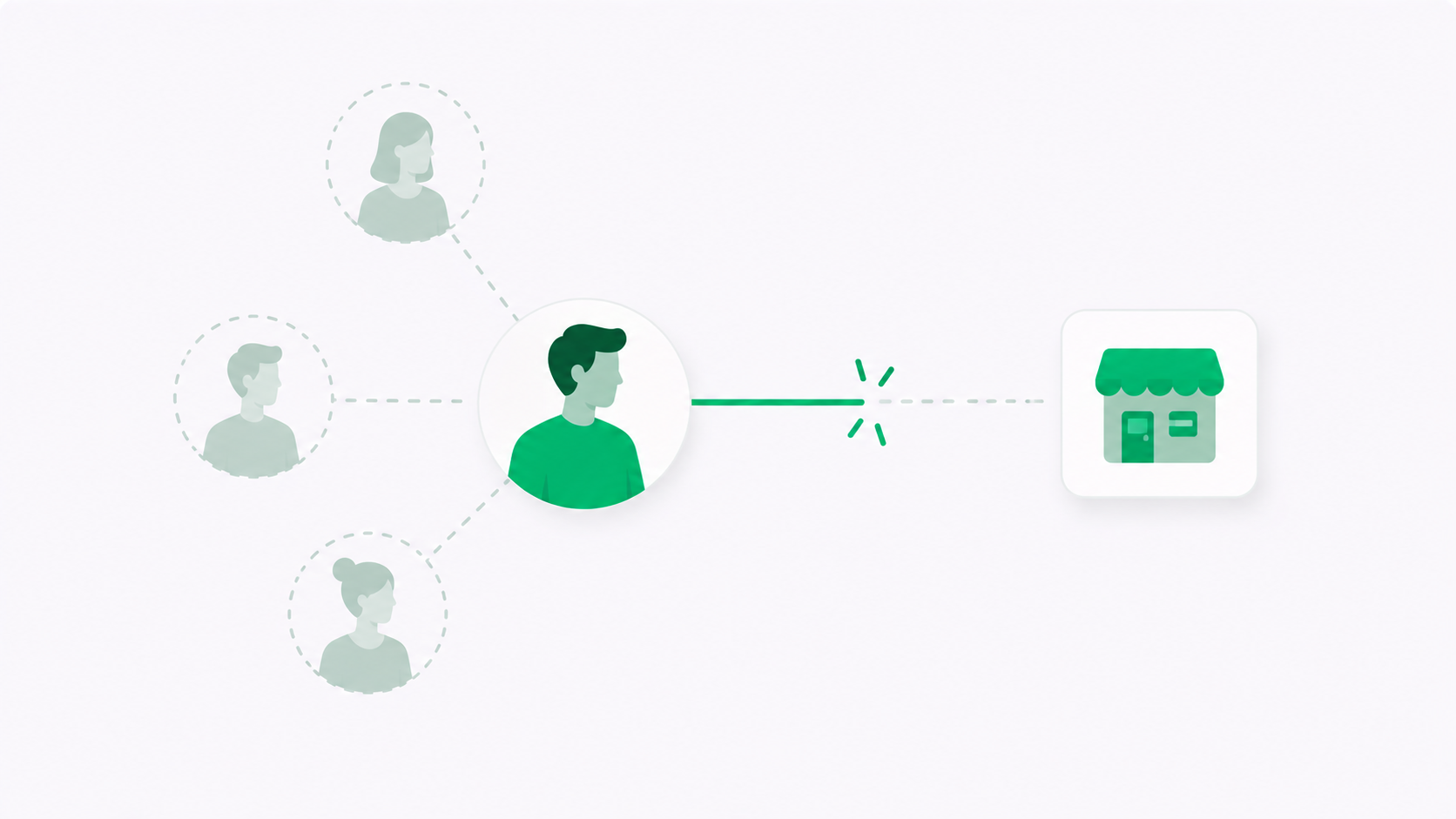
The champion loved the product and answered every email within the hour. Then he left for a competitor, and the account went completely dark.
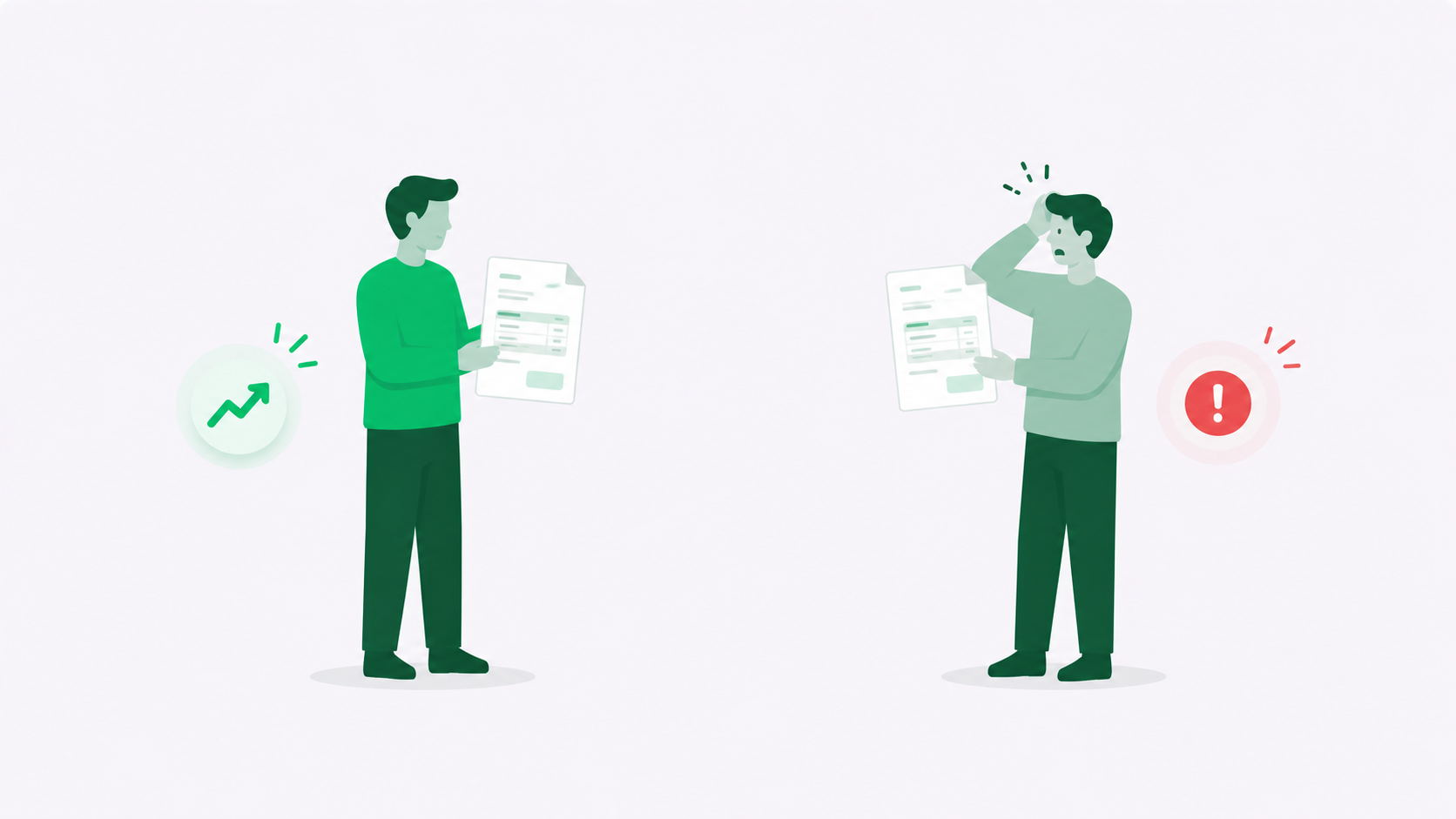
Two accounts got the same 12% increase in the same quarter. One renewed without objection. The other churned the week the invoice arrived.
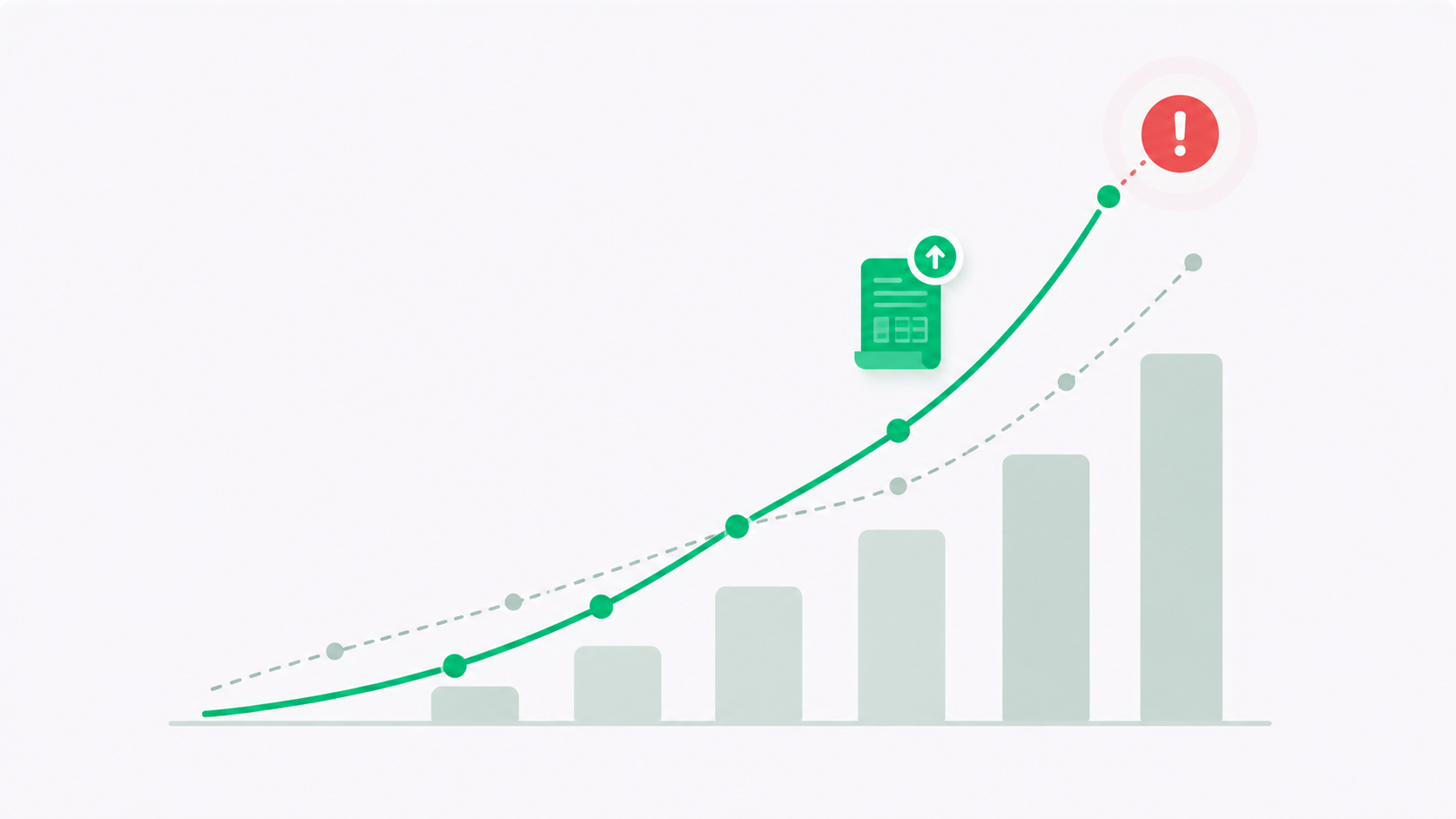
The account's usage tripled in a month. Under the old pricing model that would have been great news. Under the new one, it was an angry call.

Acme Corp's oldest customers were paying 2021 prices in 2026. Every one of them was one renewal away from a conversation nobody had prepared for.

Usage was up and the champion was engaged. What nobody had checked was a 60-day support backlog and a procurement contact who'd already changed.

Acme Corp's CSM and its account executive both pitched the same upsell to the same customer in the same week. Neither knew about the other's outreach.
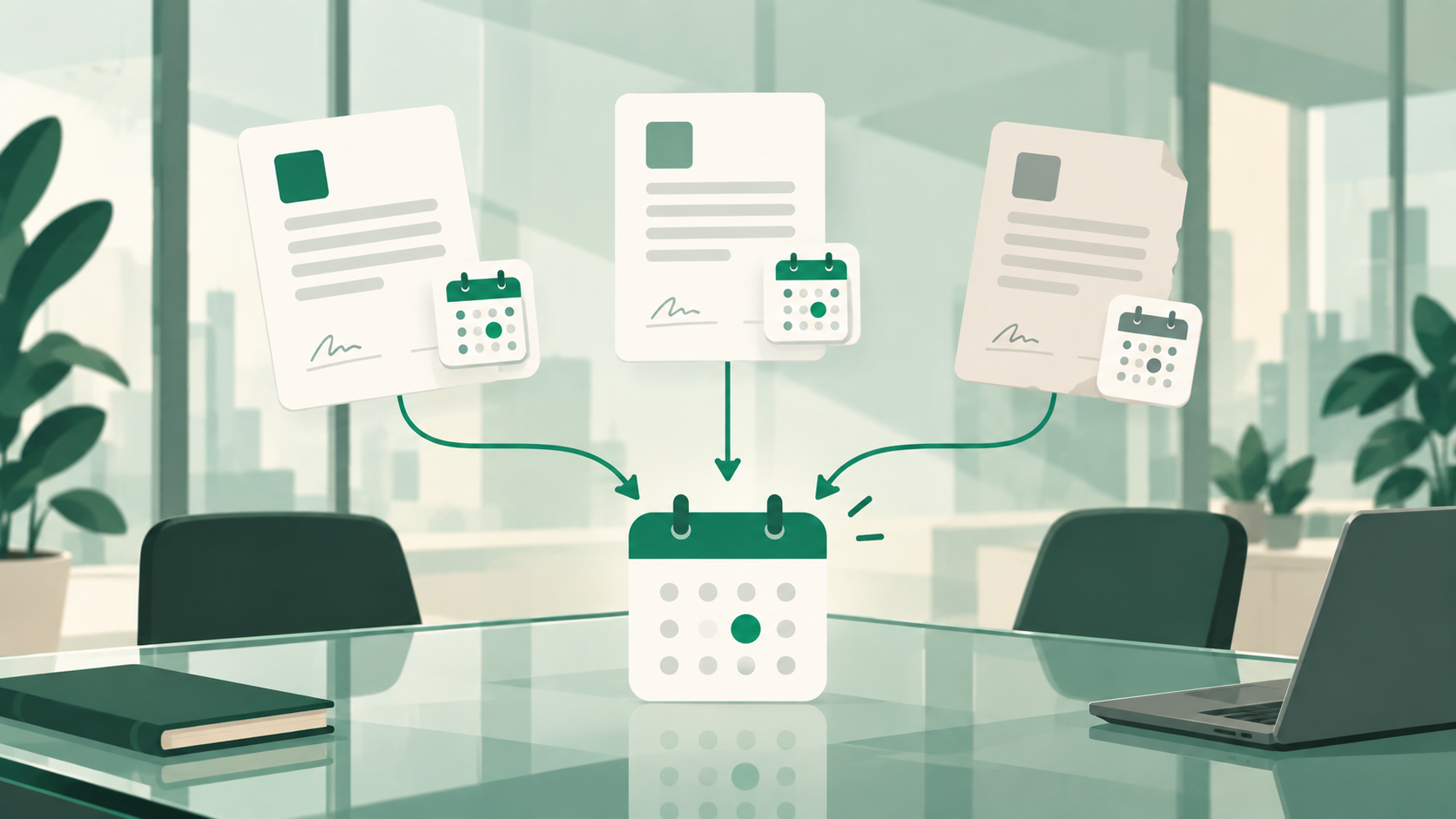
Lining up every contract to a single date cleaned up the billing. It also meant the account's entire relationship now hinged on whichever piece was having the worst quarter.

Nobody at Acme Corp left the company. The renewal still nearly stalled, because the team that owned the budget wasn't the team that owned it three months earlier.

She gave two weeks' notice on a Tuesday. Three other contacts existed on the account, and not one of them had ever been positioned to carry the relationship forward.
The discount closed the renewal in a day. Nine months later the same account churned anyway.
The account had been unhappy for months and intended to leave. The contract auto-renewed anyway, before anyone remembered the opt-out window.
The renewal was ready to sign in March. The account's budget for the year had already closed in January.
The three-year deal looked like a retention win the day it was signed. Eighteen months in, nobody had spoken to the account since.
We use first-party analytics to see which pages are useful, and advertising tools to measure our ads. You choose what we may use. How we use cookies
Your browser sends a Global Privacy Control signal, so advertising is switched off by default.